
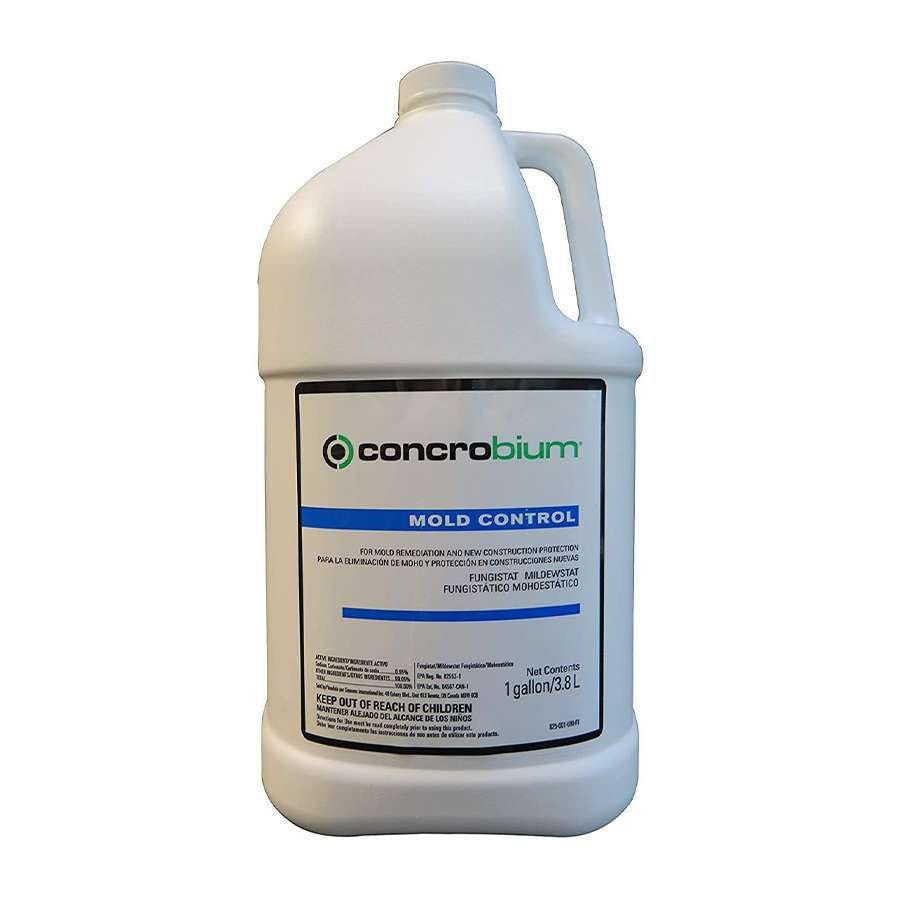
Concrobium Mold Control shows up on more restoration and remediation trucks every year, but the number of contractors applying it like a surface cleaner — spray, scrub, wipe — suggests the manufacturer's actual application instructions aren't getting read as often as the label. The product works on a fundamentally different mechanism than bleach or an ammonia-based cleaner, and using bleach habits on a Concrobium job wastes most of what the product is designed to do.
Why the mechanism changes the technique
Bleach-based products work by chemically killing mold on contact, which is why the instinct to scrub and rinse makes sense for them — you're trying to break up and remove a kill zone. Concrobium doesn't kill mold that way; it's an EPA-registered antimicrobial that dries into an invisible film that physically encapsulates mold and fungal spores, inhibiting regrowth and eliminating the musty odor those spores produce. Wiping it off after application removes the film before it's finished curing, which is the single most common mistake in the field. The product needs to dry undisturbed to do its job.
- Remove heavy surface soiling first — Mold Control has to physically contact the mold to encapsulate it, so caked-on debris blocks the mechanism.
- Confirm the surface is dry enough to treat — manufacturer guidance caps moisture content at roughly 20% before application.
- Apply by hand-spray, compression sprayer, cold fogger, brush, roller, or immersion — use a nozzle that produces a fine mist for even coverage on large areas.
- Fully saturate the area until visibly wet. This is not a light misting product — under-application is the second most common mistake after wiping it off.
- Let it dry undisturbed, generally under two hours. Don't wipe, rinse, or scrub after application.
- If painting over a treated surface, allow roughly 24 hours of dry time first.
- Identify and correct the moisture source before reapplying — Concrobium inhibits regrowth, it doesn't fix a leak, and mold will return if the underlying moisture problem isn't addressed.
"Mold Control must come in direct contact with mold to be effective — surface prep and full saturation matter more to outcome than the volume of product used per square foot."
— Paraphrased from Concrobium's official application guidance
A compression or garden sprayer with a fine-mist nozzle covers large accessible surfaces faster than hand-spray bottles — worth the upgrade past a handful of small jobs.
Where it fits in an S520 mold-remediation workflow
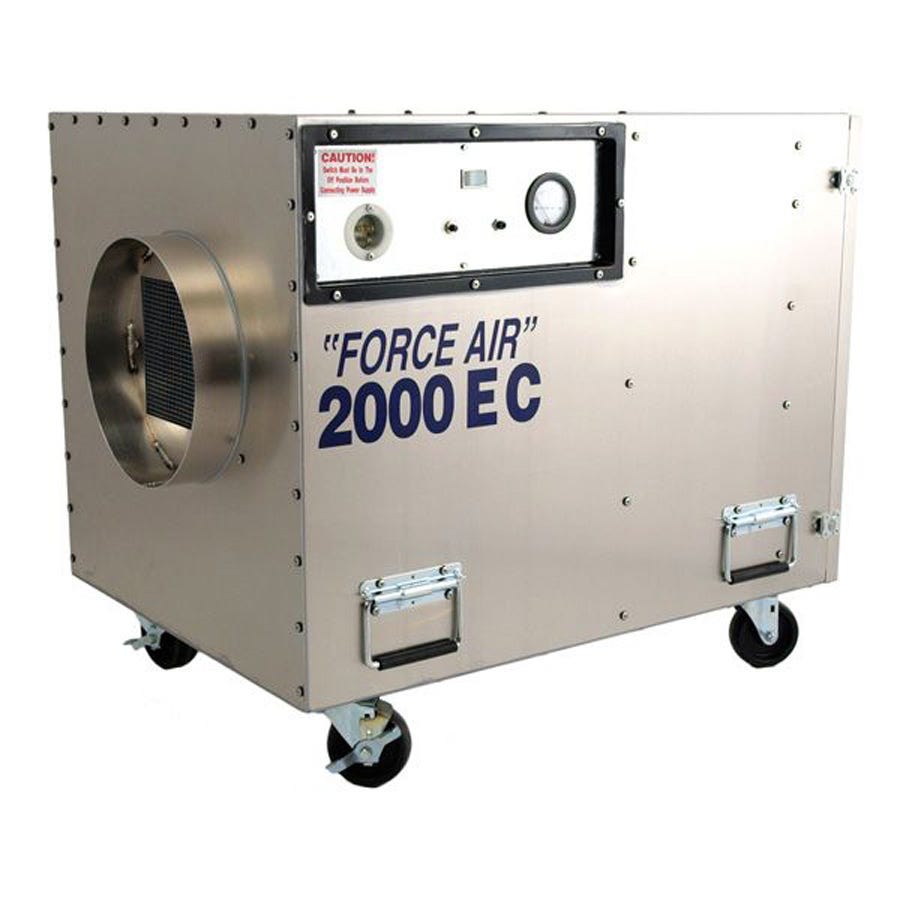
Concrobium is a documented step inside IICRC S520 mold-remediation protocol, not a replacement for containment, negative-air filtration, or physical removal of heavily colonized porous material. On a real job it comes after containment is up and after visible mold and affected porous materials (drywall, insulation) have been physically removed — it's the encapsulation step on the remaining, cleanable surfaces, applied while the space is still under negative pressure so any disturbed spores get pulled toward filtration instead of into clean air.
The instructions aren't complicated once the mechanism clicks: this is an encapsulation product, not a kill-and-rinse cleaner, so the technique that works for bleach actively works against it. Read the label, saturate fully, walk away, and let it dry — the parts of the job worth rushing are almost never the ones people rush.