
Restoration & Remediation Magazine's industry survey work has been tracking the same complaint for several cycles running: finding and keeping skilled technicians is the top challenge in the business, ahead of pricing pressure, ahead of insurer relationships, ahead of equipment cost. The numbers behind that complaint are stark on their own — roughly 42% of firms report an active labor shortage, technician turnover runs near 28% annually, and the average field wage sits around $22.50 an hour, hardly a figure that makes the trade the obvious first choice for a worker with other options.
But the wage-and-headcount framing undersells the actual bottleneck. About 65% of restoration workers are expected to carry an IICRC certification of some kind, and certification isn't a form you fill out — it's training time, and training time is exactly what a firm running short-staffed doesn't have. A contractor who's down two techs during a busy season faces a bad choice: run leaner and slower, or put an undertrained tech on a job type — mold containment, fire-loss demo, asbestos-adjacent work — where the margin for error is thin. Neither choice is free, and both eventually show up as a callback, a failed clearance test, or a workers'-comp claim.
Ownership is aging out at the same time
Layered on top of the field-level shortage is a business-continuity problem: much of the restoration industry's ownership base is from the Baby Boomer generation and approaching retirement, with succession typically running through a family handoff or an outside sale. A shop that loses its most experienced estimator or operations lead to retirement in the same stretch it's already down field technicians isn't just short-staffed — it's losing institutional knowledge about which containment setup works on which job type, exactly when that knowledge is hardest to replace quickly.
"Companies allocate an average of 14% of their budgets to employee training — a real, measurable bet that a trained crew outperforms a cheap one over a full season, not just on a single job."
— Restoration & Remediation Magazine, industry survey data
That 14% training-spend figure is worth sitting with, because it implies something counterintuitive: the firms surviving the labor crunch best aren't necessarily the ones offering the highest wage — they're the ones who've made new-hire ramp-up faster and safer, so a tech is trusted on real containment work sooner rather than shadowing for a season. Standardized PPE that doesn't require size-by-size guesswork, containment tape that behaves the same way on every roll, and a documented kit list new hires can be handed on day one all compress that ramp-up window in small but real ways.
A consistent PPE and containment kit shortens the gap between "hired" and "trusted on a live job" — the ramp-up cost a 28%-turnover industry can least afford to keep paying for.
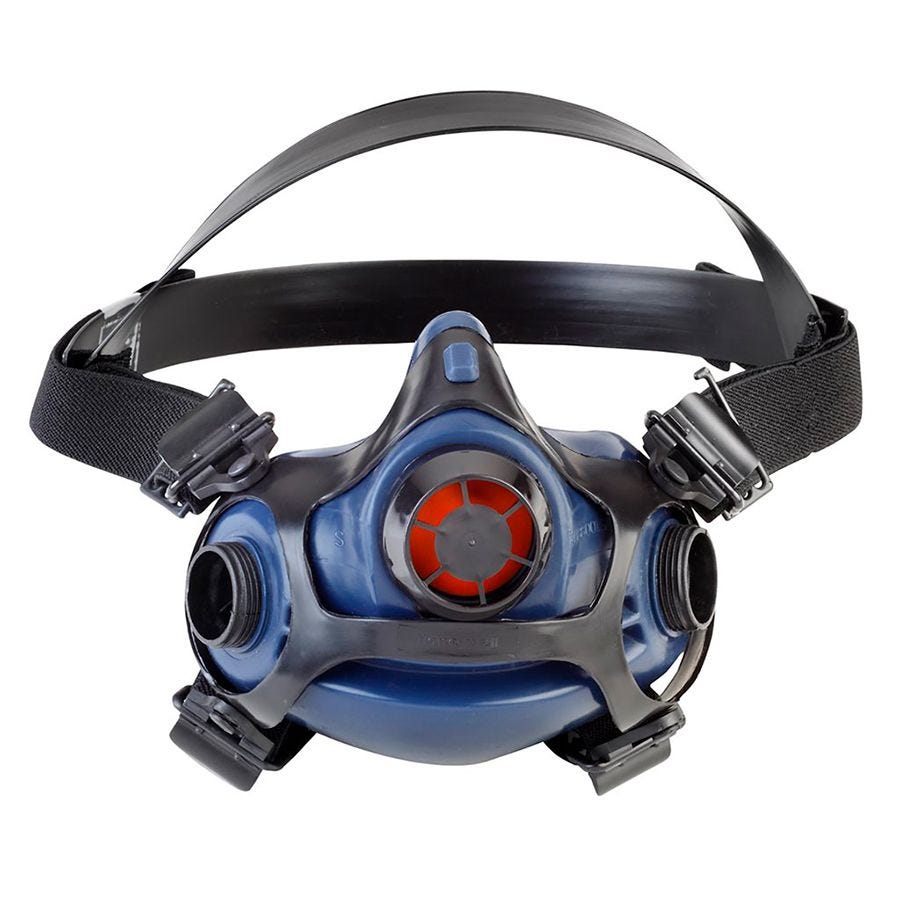
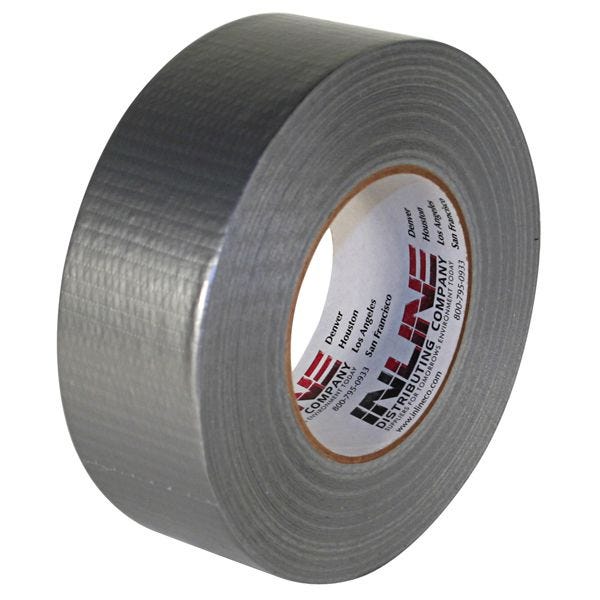
None of this resolves on its own. But it reframes the shortage as something more actionable than "pay more, hope people apply." The lever restoration firms actually control is how fast and how safely a new technician becomes a productive one — and that's a training-and-equipment problem, which is a problem a distributor and a contractor can solve together, well before the next record storm season tests whoever's left standing.