
If a coverall invoice looks different than it did in January, the explanation isn't your distributor's margin — it's the Strait of Hormuz. After the U.S. and Israel's military escalation against Iran on February 28, 2026, crude oil jumped from roughly $69 to $113 a barrel within weeks, briefly touching the high $90s to just over $100 as the conflict widened. The strait carries an estimated 20% of the world's oil, and even a partial disruption there moves crude fast enough to outrun any distributor's ability to hold a price list steady.
The petrochemical market absorbed that shock about as violently as the oil market did. ICIS — whose Global Petrochemical Index has run since 2000 — recorded a 32.7% month-on-month jump in March 2026, the steepest single-month move the index has ever logged. That's not a rounding-error adjustment; it's the kind of move that forces suppliers to reprice contracts mid-quarter instead of waiting for the normal negotiation cycle.
Why a barrel of crude shows up on a coverall label
Poly suits, poly sheeting, and containment tape are all downstream of the same feedstock chain: crude oil to naphtha, naphtha to propylene and ethylene monomer, monomer to polypropylene (PP) and polyethylene (PE) resin, resin to the nonwoven fabric or film the finished product is made from. Naphtha and other oil-based feedstocks typically account for 70–90% of a resin's total cost, and the relationship to crude is tight enough to model: every $10 increase in the price of a barrel adds roughly $43–58 per ton to the cost of oil-based PP. At the scale this year's move played out — crude up over $40 a barrel at the peak — that arithmetic alone explains a meaningful share of what hit contract pricing.
The resin numbers bear that out. North American polyethylene rose roughly 25–30% year-over-year by March 2026, then kept climbing — suppliers pushed a further 30¢/lb increase in April, bringing the year's cumulative PE increase to around 45¢/lb. European spot PE moved even harder, up an estimated 70–80% between February and April. Polypropylene nonwoven fabric — the material in most disposable coveralls, including PPE built on APTRA-style microporous film laminate — tracks the same propylene-monomer chain and saw comparable pressure through the same window.
PP-nonwoven coveralls and PE containment poly are both feedstock-linked — stocking ahead of a supplier reprice is the only real hedge against a mid-quarter increase.
The tape and bags aren't exempt either
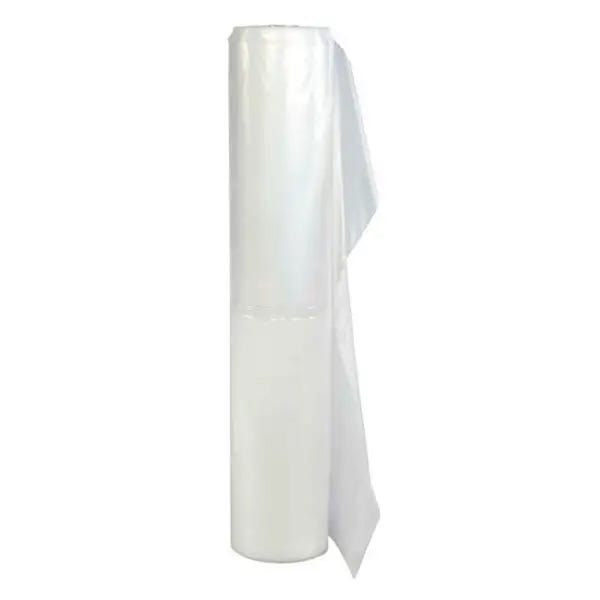
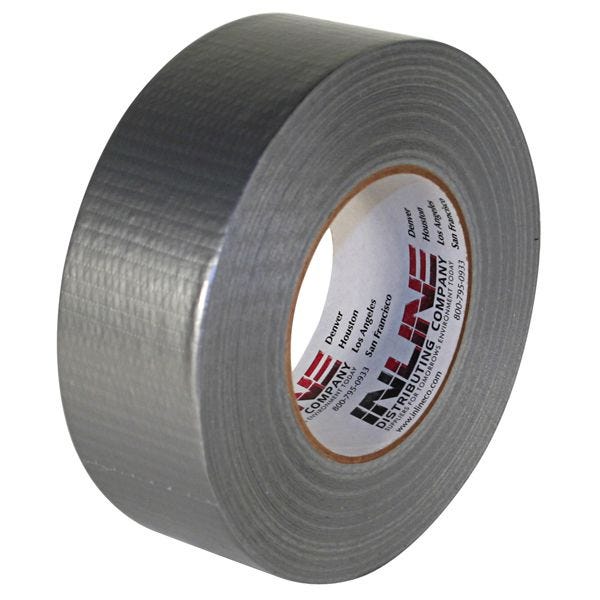
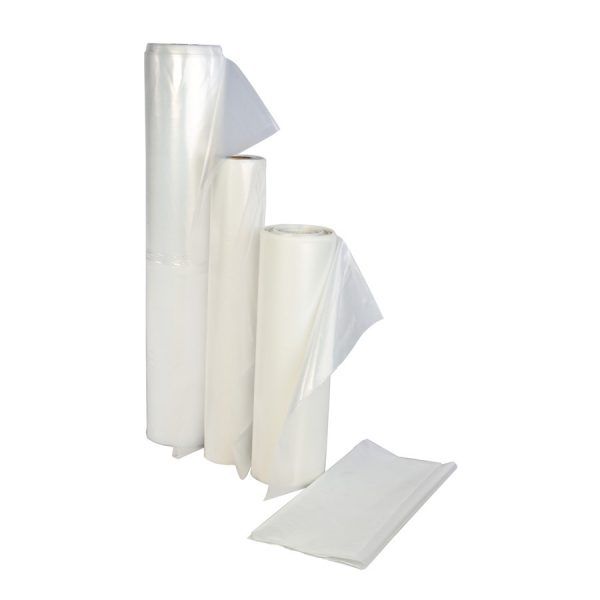
It's tempting to treat this as a PPE story, but the same feedstock chain runs through every poly product on a containment job. Sealing tape is built on a poly-film backing; asbestos and hazmat disposal bags are extruded poly film; poly sheeting is, by definition, nothing but the resin itself in film form. A crew that budgets for the coverall price increase but not the tape and sheeting increase is only pricing half the containment kit correctly — all three line items move on the same crude-to-naphtha-to-resin chain, just with slightly different lag times depending on how far upstream each supplier's contract resets.
"Some major polyethylene suppliers say they expect nearly half of the global ethylene and PE supply disruption to persist for the remainder of the year, keeping prices elevated even as the initial shock fades."
— Plastics Technology, June 2026 resin market coverage
What "easing" actually means for a bid going out this quarter
By May 2026, resin prices had eased somewhat from their March/April peak — but industry coverage puts them still roughly 25% above pre-conflict levels, with suppliers themselves projecting that close to half of the global PE and ethylene supply disruption carries through the rest of the year. That's an important distinction for anyone bidding a job today: "prices came down" in the trade press doesn't mean prices came back. A contractor pricing a multi-month abatement or restoration contract off pre-February unit costs is quoting into a feedstock market that's structurally reset higher, not one that dipped and returned.
The practical response isn't complicated, even if the geopolitics driving it are: build resin volatility into quotes as a line item rather than an absorbed cost, lock in volume on poly-heavy materials (suits, sheeting, tape, bags) when a favorable contract window opens rather than ordering reactively per job, and treat any pricing quoted more than a few weeks out as provisional until the supplier confirms it. None of that requires predicting where the Strait of Hormuz situation goes next — it just requires accepting that, for the poly products on every containment job, the oil market and the material cost are now the same conversation.