
For twenty years, RRP-certified contractors working pre-1978 housing and childcare facilities operated against a fixed number: pass the post-work dust-lead clearance test below a defined threshold, and the job was done. EPA's October 24, 2024 final rule changed that math. The old "clearance levels" terminology is gone, replaced by "action levels," and the dust-lead action levels themselves dropped hard — to 5 micrograms per square foot on floors, 40 on window sills, and 5 in window troughs, with a further tightening to those same categories (from 10/100/400 to the current figures) effectively taking hold as of January 12, 2026.
The more consequential change isn't the specific numbers — it's the standard EPA set for the hazard threshold itself. The rule defines the dust-lead reportable level as any level an EPA-recognized laboratory can identify at all, rather than a numeric floor below which dust is considered non-hazardous. Practically, that means there is no longer a meaningful "good enough" reading; abatement and post-renovation cleaning has to aim for the practical limit of what a lab can detect, not a number with real margin built in.
A rule that's still being argued over
Contractors budgeting around this shouldn't treat it as fully settled. A July 2025 Federal Register notice opened a reconsideration of the dust-lead hazard standards and post-abatement action levels — meaning the rule that took effect in January 2025 is itself under review at the federal level less than a year later. That's an unusual amount of regulatory churn for a rule this consequential, and it puts contractors in an uncomfortable spot: build a containment and cleaning process rigorous enough to satisfy the tightest plausible outcome, because the alternative — retrofitting a looser process mid-rule-change — is far more expensive than doing it right the first time.
In practice, tighter action levels push the real work upstream of the clearance test, into how well the work area was isolated in the first place. Post-abatement cleaning "must be very thorough," in EPA's own framing, because any detection above the tightened action levels forces additional cleanup and retesting — and retesting means remobilizing crews and equipment to a site the contractor thought was closed out. The cheapest way to avoid that isn't a better vacuum; it's containment that doesn't let dust migrate past the work zone to begin with.
When the standard is "any detectable level," the containment barrier and the tape sealing it are doing more of the compliance work than they used to.
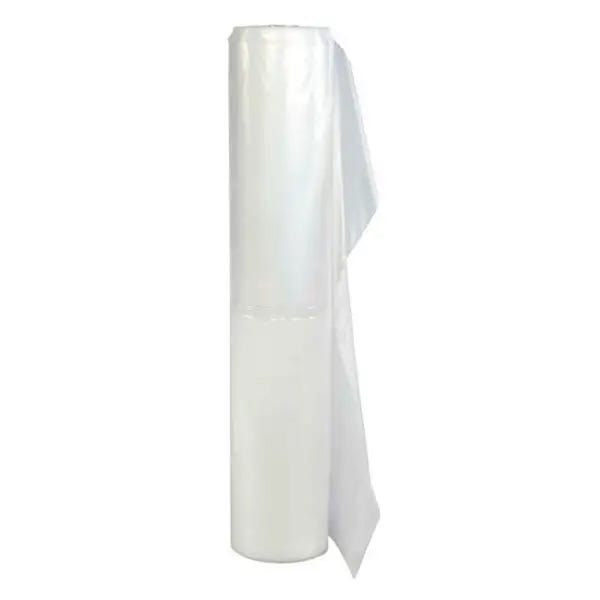
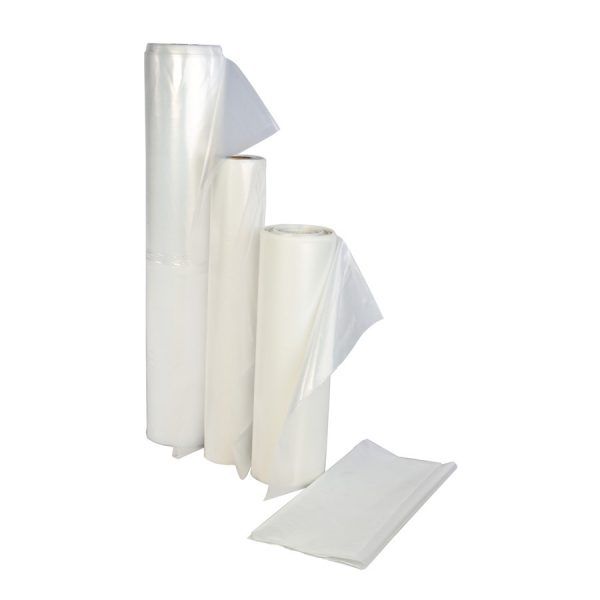
The firms adjusting well to this rule aren't the ones scrambling to pass a stricter test after the fact — they're the ones who already treated "dust doesn't leave the work area" as the actual job, with clearance testing as verification rather than the design target. As EPA's reconsideration works through the federal process over the next year, that mindset is the one piece of the compliance picture unlikely to become less relevant, whichever way the specific micrograms-per-square-foot numbers land.