
For most of the last decade, "climate change is bad for the restoration industry" has been treated as an abstraction — a slide in a conference deck, not a scheduling problem. That changed in 2025. Climate Central's tally (continuing the database NOAA's National Centers for Environmental Information maintained until the project's operations ceased in May 2025) counted 23 separate billion-dollar weather and climate disasters in the U.S. last year, causing an estimated $115 billion in damage and 276 fatalities. Twenty-one of those were severe storm events — a new single-year record for that category. Add 2023's 28 events and 2024's 27, and you get three consecutive years that rank as the highest on record for disaster frequency.
None of that is news to anyone who answered a restoration company's phone in the last eighteen months. What's less discussed is what happens structurally when three years of record-frequency events land on an industry whose real constraint was never insurance capital — it was IICRC-certified technicians, negative-air equipment, and the hours in a day. A single 2025 event, the Los Angeles wildfires, caused an estimated $61.2 billion in damage on its own — roughly double the previous record for the costliest wildfire on record. Every dollar of that eventually routes through a limited pool of contractors who also had water, wind, and mold jobs already on the board.
Smoke damage is now a restoration category, not a footnote
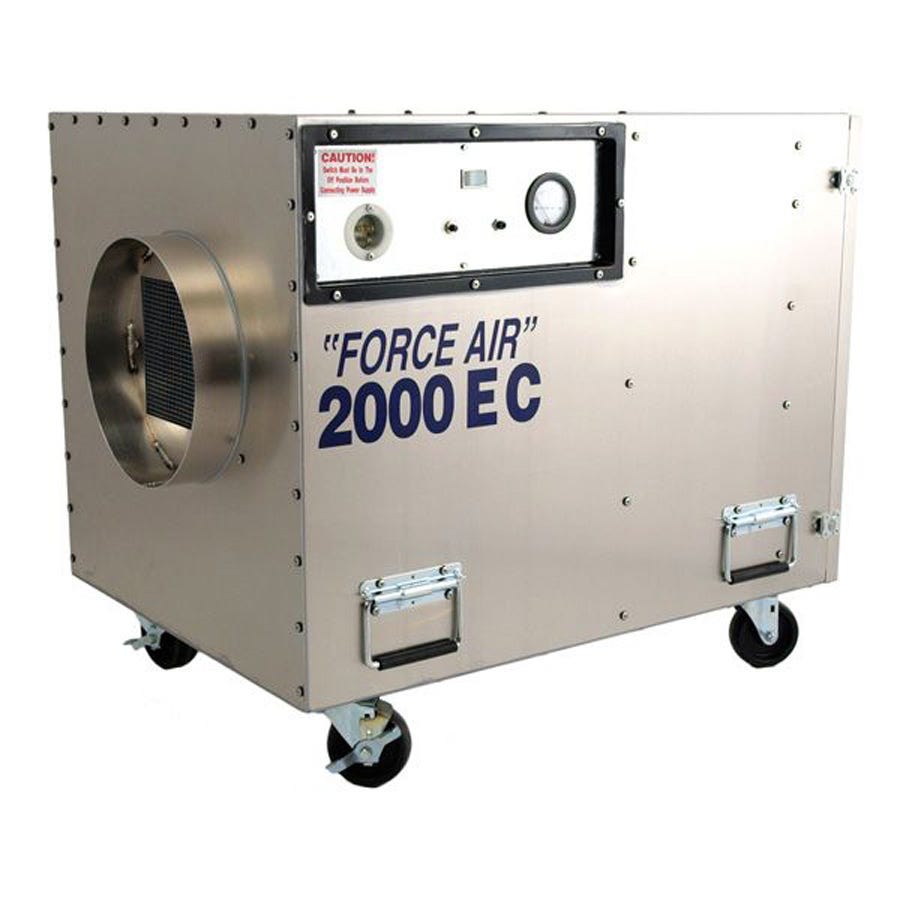
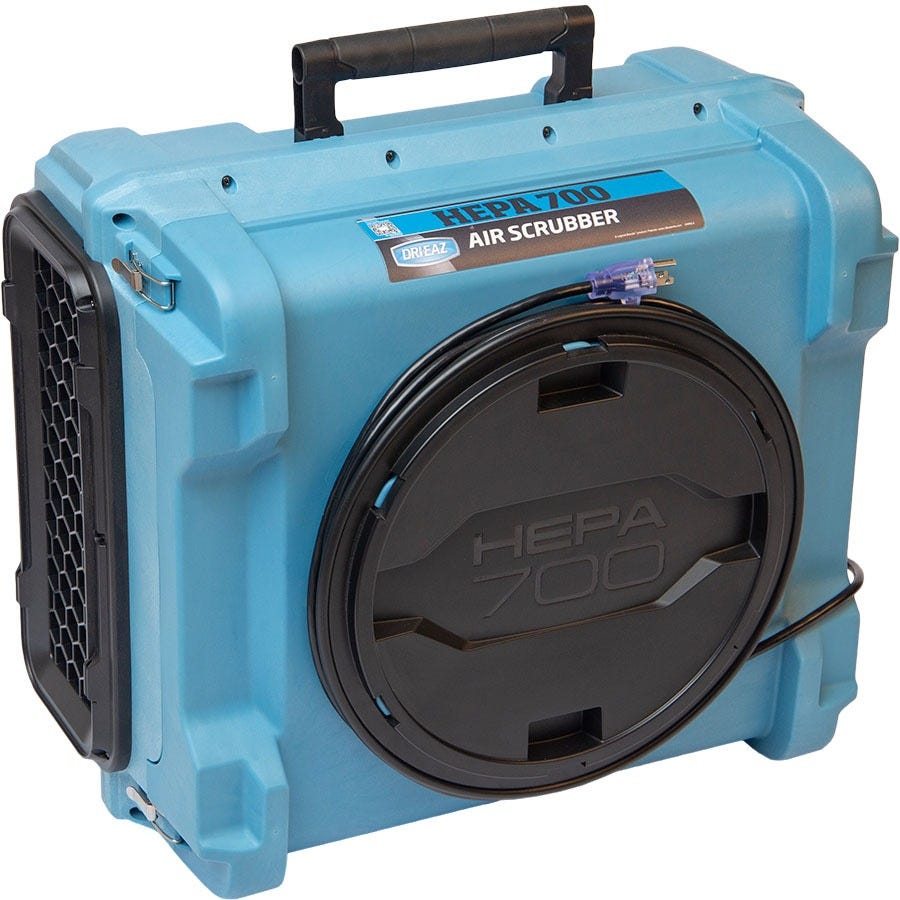
Wildfire recovery used to be framed as a structural-rebuild problem. Increasingly it's a soft-goods and HVAC contamination problem — fine particulate and VOC residue traveling well outside the burn perimeter, settling into homes that never saw flame. That work looks a lot more like mold or fire-residue remediation than construction, and it draws on the same negative-air equipment and containment materials that a hurricane-driven water loss needs three states away, at the same time. When 21 severe-storm events and a record-cost wildfire compete for the same equipment fleet in the same calendar year, the crews that win the job are the ones who kept dry stock on the shelf instead of ordering it after the loss.
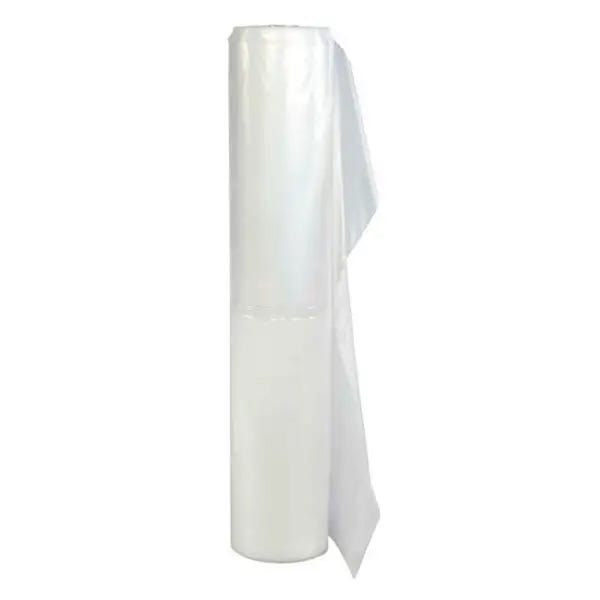
Negative-air scrubbers and containment poly are the two SKUs restoration crews run out of first in a multi-loss week — worth carrying ahead of season, not ordering into it.
The mold clock doesn't care about your backlog
IICRC S500 water-damage protocol and S520 mold-remediation protocol both build in an assumption that's getting harder to honor: that a wet structure gets dried or contained inside a narrow window before secondary microbial growth sets in. That window doesn't move because a contractor is three jobs behind after a record storm season. Firms that can't dispatch a scrubber or hang poly on schedule aren't just risking a slower job — they're risking a water-loss claim converting into a mold-remediation claim, which changes the scope, the paperwork, and often the insurer's willingness to pay without a fight.
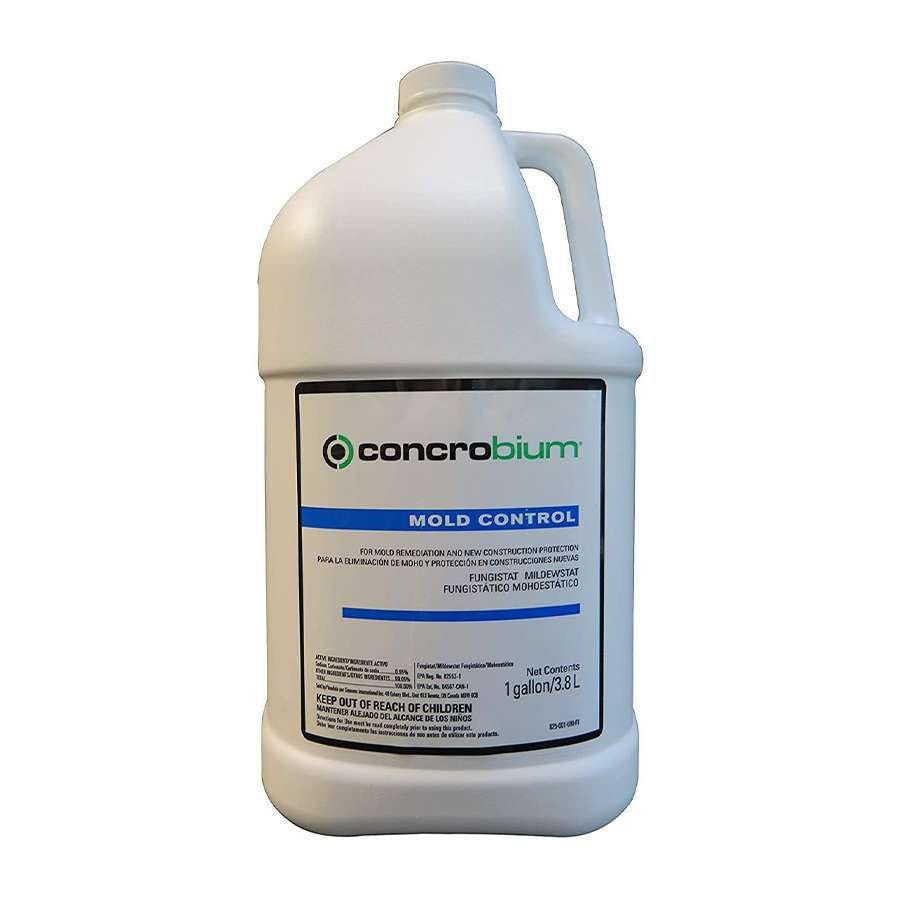
Concrobium and comparable EPA-registered mold-control products don't replace moisture control or negative-pressure containment — they're a documented step inside S520, not a shortcut around it. But on a multi-loss week, having a fast-acting, no-bleach-residue mold inhibitor on the truck is the difference between treating a borderline area immediately and scheduling a callback that turns a Category 1 water loss into a Category 3 microbial one.
The uncomfortable long-run read: if 2023–2025 really is the new baseline rather than a statistical run, restoration capacity planning has to stop assuming disasters are isolated events that a region recovers from before the next one hits. Three straight years of near-record disaster counts is a supply-chain problem as much as a weather problem — and the contractors treating it that way, with pre-positioned equipment and containment stock instead of reactive ordering, are the ones still answering the phone in month two of a bad season.