
On the night of July 16, 2026, the Guadalupe River near Comfort, Texas rose from 5.46 feet to 37.05 feet in under three hours. Governor Abbott declared a disaster across 59 counties. More than 230 rescues were carried out by upwards of 2,350 responders and 1,400 vehicles, a bridge on FM 481 collapsed, and officials said the damage would likely rival the catastrophic Hill Country flooding of July 2025 — in the same river system, almost exactly one year later. That repetition is itself the story: this isn't a single unlucky event, it's a region cycling through catastrophic flood recovery on an annual basis, and the operational problems that follow are becoming as predictable as the storms.
Restoration capacity was already stretched before this storm hit
Texas isn't an isolated data point this year. Illinois has logged 140 tornadoes in 2026 so far — more than two and a half times its 54-tornado annual average — prompting the National Insurance Crime Bureau to issue a fraud warning specifically because storm-recovery capacity was already thin before the surge. That's the pattern worth naming: restoration crews, drying equipment, and containment material don't reset to full availability between events anymore. A contractor mobilizing to the Hill Country this week is very possibly the same contractor still finishing punch-list items from a different loss three states away.
That capacity strain shows up first as a scheduling problem, but it doesn't stay one. IICRC S500 water-damage protocol assumes structural drying starts within a narrow window before secondary damage — mold growth, structural swelling, electrical hazard — sets in. When trucks, scrubbers, and dehumidifiers are already committed elsewhere, that window closes on jobs that were scoped correctly but staffed too late.
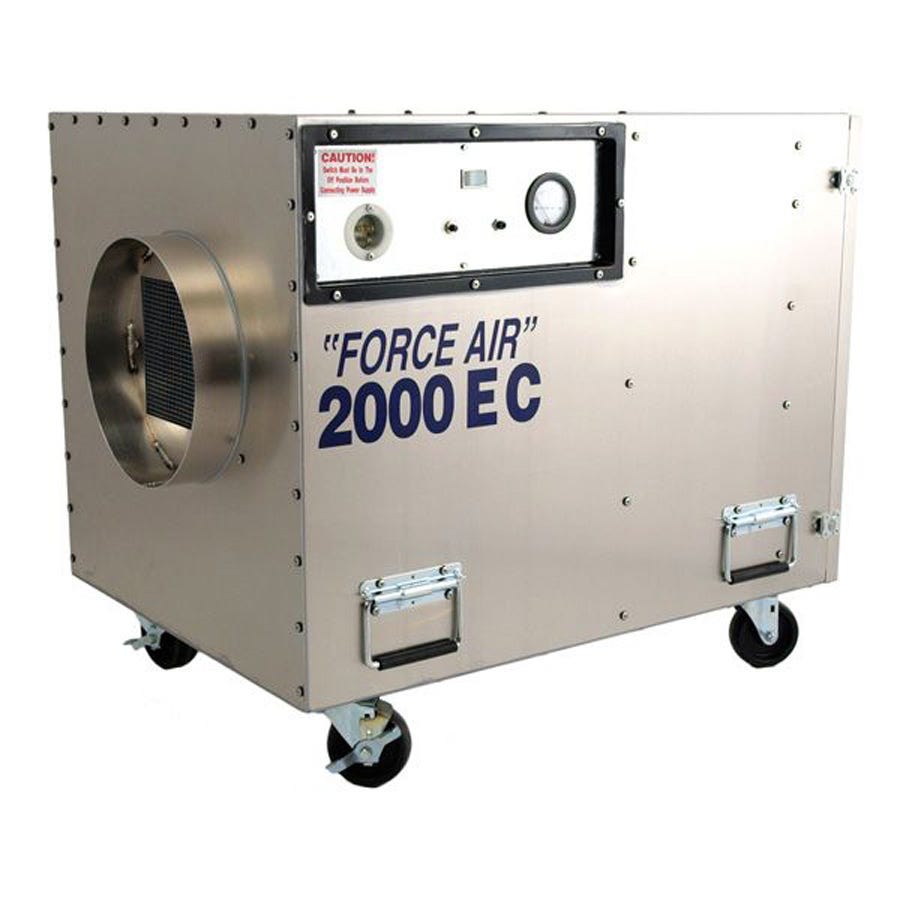
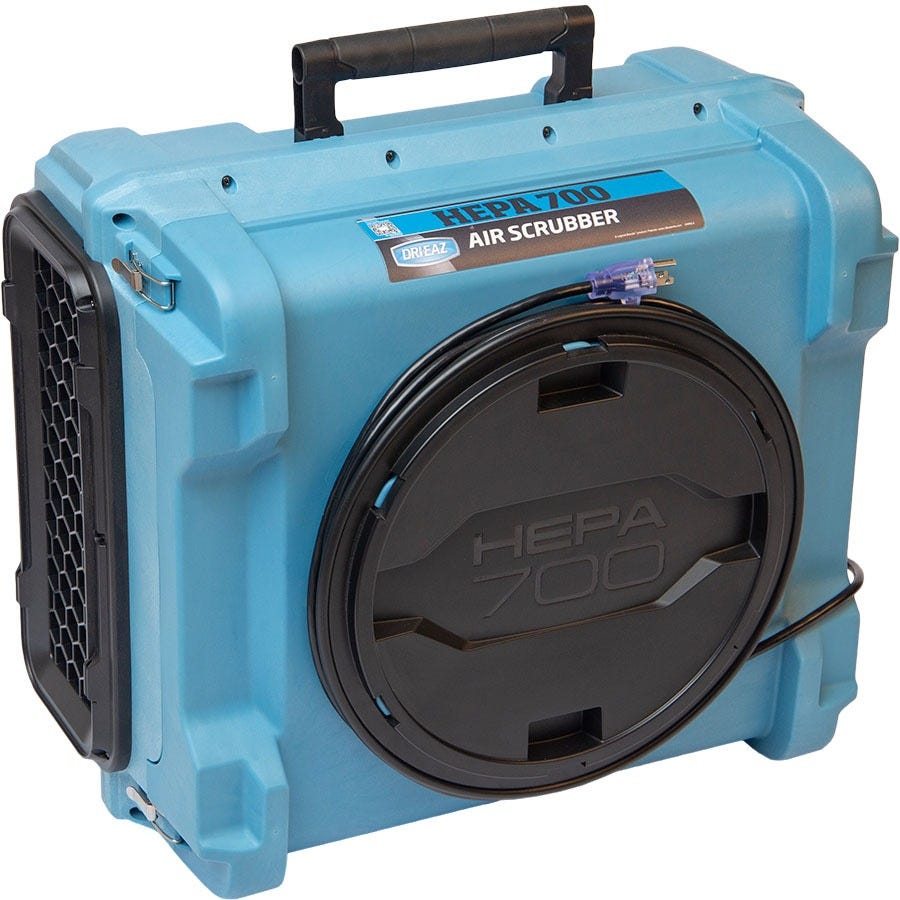
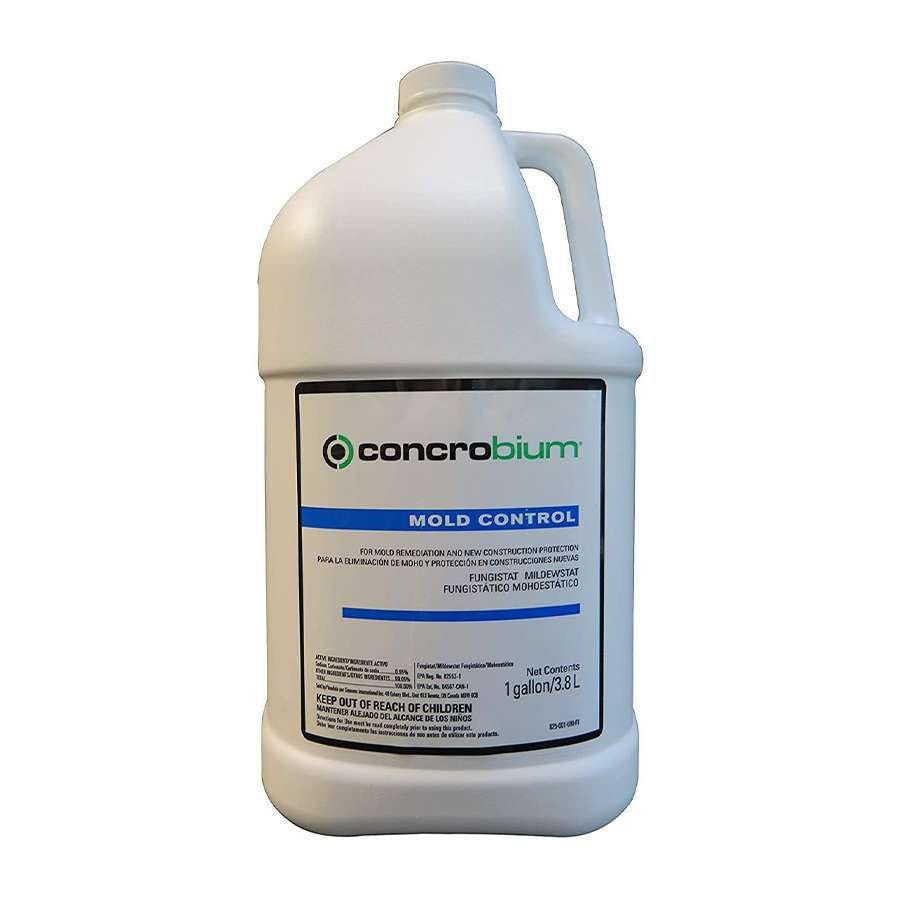
A negative-air scrubber and mold-control step that arrives on day six instead of day two is the difference between a water-loss job and a mold-remediation job.
Fraud follows the disaster declaration
Every major flood or tornado outbreak now arrives with a documented second wave: unlicensed and fraudulent contractors targeting the same communities. Missouri's Attorney General charged a roofing contractor this year with deceptive business practices after homeowners paid more than $131,000 in deposits for storm-recovery work that was delayed indefinitely, partially completed, or never started. Assignment-of-benefits arrangements — where a homeowner signs insurance rights over to a contractor who then bills the insurer directly — have been independently flagged as a documented driver of inflated claims costs across multiple markets, separate from outright fraud.
- Verify state contractor licensing before any deposit changes hands — most state AG consumer-protection sites publish a lookup tool.
- Be wary of any contractor requesting full payment upfront or pressuring same-day contract signature.
- Get a written scope of work before signing an assignment-of-benefits form — know exactly what rights you're transferring.
- Confirm a permanent business address and prior local job references, not just a truck and a phone number.
"Fraudulent or inflated repair claims filed by unscrupulous contractors add directly to claims costs, while Assignment of Benefits arrangements have been a documented driver of inflated claims costs across multiple markets."
— National Insurance Crime Bureau, 2026 storm-fraud advisory
The hazard nobody's insurance adjuster mentions first
Hill Country homes and outbuildings span decades of construction, which means flood-damaged debris in a 59-county disaster zone almost certainly includes pre-1980 asbestos-containing materials and lead-based paint alongside the routine wreckage. Water deteriorates the cement binder in old asbestos-cement siding and pipe insulation; once that bonding breaks down, fibers can float free and become airborne as the material dries. After Hurricane Katrina, an estimated 9,375,000 cubic feet of debris trucked out of New Orleans homes contained asbestos — a scale problem, not an edge case. Crews doing debris removal and mold-out work in a flood zone are frequently handling both hazards at once, whether or not the job was scoped as an abatement job.

None of this is a reason to slow down a response — flood victims need water out and structures dried fast. It's a reason to staff and equip response crews assuming pre-1980 construction until proven otherwise, verify every contractor's license before a deposit changes hands, and treat capacity planning as a standing problem rather than a per-event one. Texas will dry out. The bigger question — for this flood and the next one — is whether the industry's response capacity, and its guardrails against the fraud that follows every disaster declaration, scale with a disaster pattern that's stopped being occasional.