
Ask a restoration contractor with twenty years in the field what changed most about the job, and equipment or technique rarely tops the list. What's changed is who's reading the file afterward. A water-loss or mold-remediation claim that once closed on the adjuster's judgment call now routinely gets evaluated against a written reference standard — IICRC S500 for water damage restoration, S520 for mold remediation — because both insurers and, when a claim escalates, plaintiff and defense attorneys have converged on those documents as the industry's accepted baseline for what "done correctly" means.
That convergence changes what actually protects a contractor on a disputed claim. It's rarely the quality of the drywall patch or the paint match that gets litigated — it's whether the containment was documented as actually achieving negative pressure, whether the drying equipment placement and duration matches what the moisture readings justified, and whether the mold-affected area was genuinely isolated from clean areas during remediation. A job that was done well but documented poorly is, from a claims standpoint, difficult to distinguish from a job that wasn't done well at all.
The differential is the evidence
Negative-pressure containment works by design — a scrubber pulling air out of a contained space faster than it can leak back in, so contaminated air moves toward filtration instead of into clean areas. But on a disputed claim, the pressure differential itself becomes documentation: a manometer reading logged at setup and periodically through the job is evidence the containment was functioning, not just installed. Contractors who treat that reading as paperwork rather than as the actual justification for the whole containment strategy are the ones who struggle when a claim gets reopened months later and someone asks for proof.
A scrubber that's undersized for the space it's containing can't hold the pressure differential the paperwork claims — sizing to the room, not just to what's on the truck, is where S500/S520 compliance actually starts.
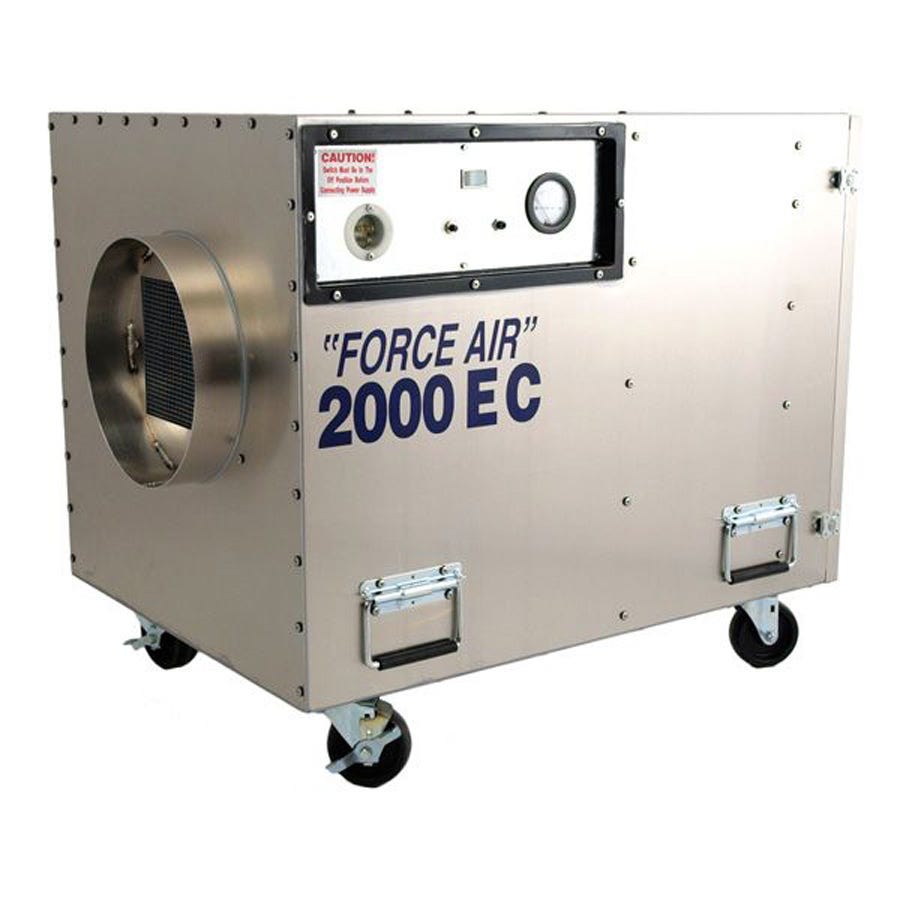
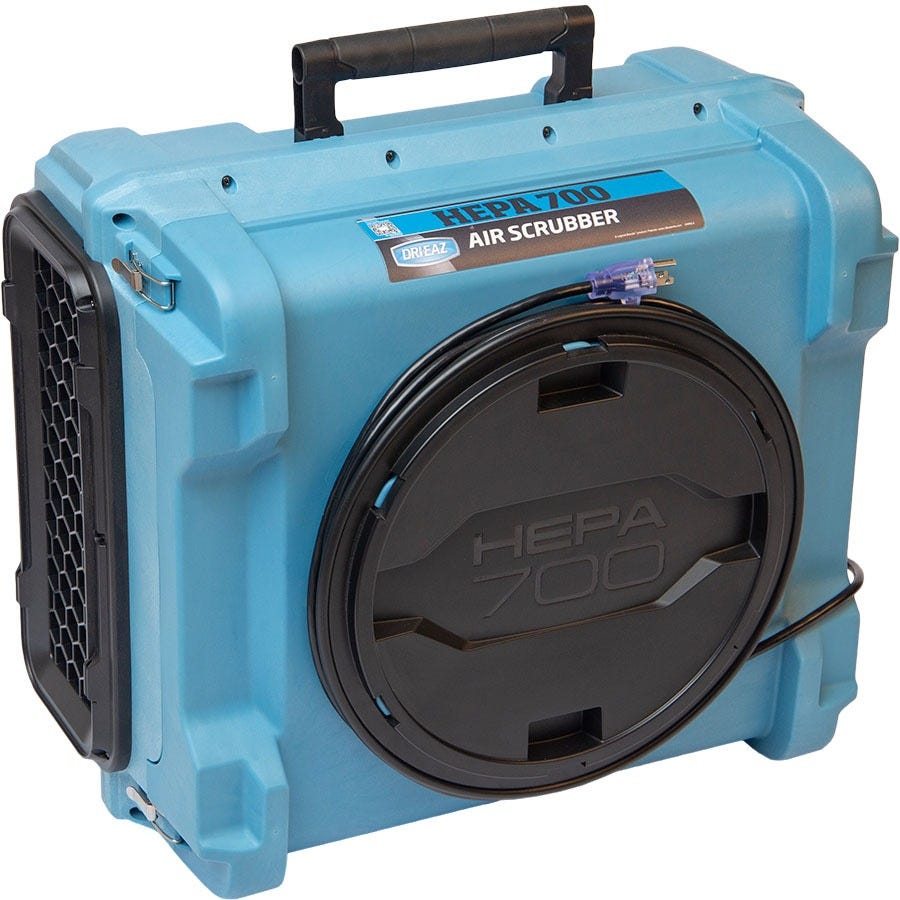
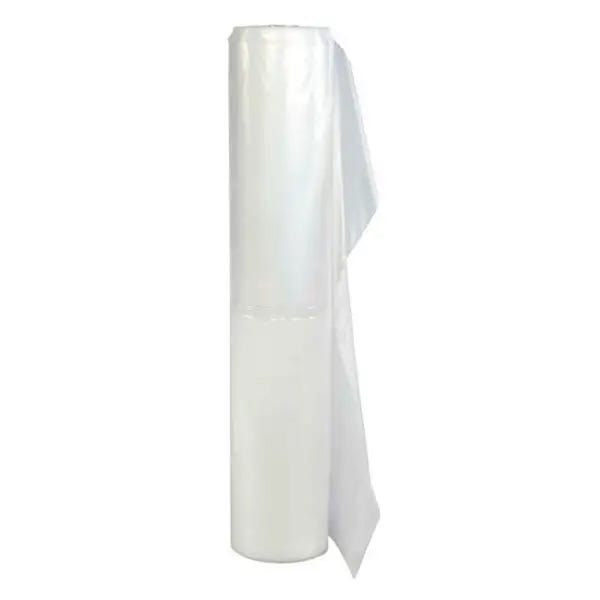
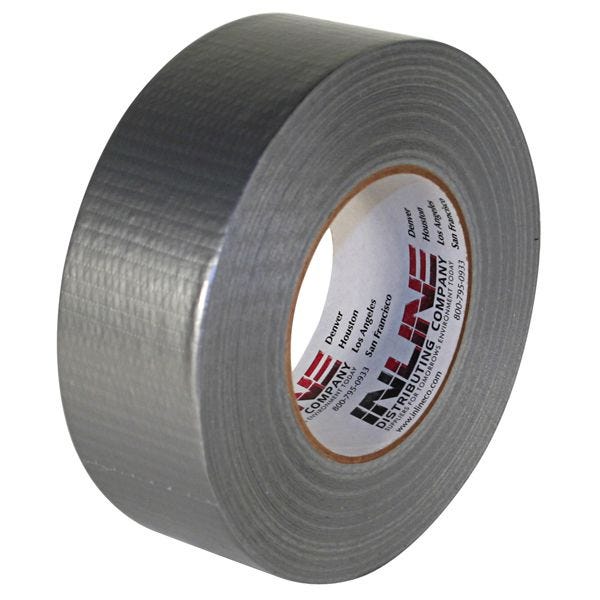
The same logic extends to the physical containment barrier itself. Poly sheeting and sealing tape rarely become the subject of a dispute directly, but a barrier that visibly failed — a seam that separated, a tape line that didn't hold — undercuts every other piece of documentation a contractor produces about pressure differentials and drying logs, because it suggests the containment wasn't sound to begin with. Insurers and their engineers know to look at the barrier construction first; it's the fastest tell for whether the rest of the file is going to hold up.
None of this is a new legal requirement — S500 and S520 are voluntary consensus standards, not statutes. But "voluntary" and "optional in practice" have drifted apart as more claims get reviewed against them after the fact. For contractors, the practical shift is treating the differential reading, the drying log, and the containment photos as part of the job itself, generated in real time, rather than as something reconstructed from memory if a claim gets challenged six months later.